
Are you a leader struggling with isolation and burnout? Discover actionable CEO leadership strategies that help you inspire yourself and your team while driving long-term success. In this episode, host Mark Cox welcomes Nancy MacKay, the Founder and CEO of MacKay CEO Forums. Nancy discusses her acclaimed book, It’s Lonely at the Top: CEO Strategies for Inspiring Yourself and Your Team, and reveals how to master the "House of Ego" versus the "House of Leadership." Whether you are a CEO or a sales professional, this conversation offers a powerful roadmap for taking ownership of your time, health, and emotional well-being to lead more effectively.
---
Watch the episode here
Listen to the podcast here
The Selling Well Podcast – It's Lonely At The Top With Nancy MacKay
We've got a great show for you. We’re interviewing Nancy MacKay. Nancy is the Founder and CEO of MacKay CEO Forums: Peer Learning Groups for CEOs. She's also the author of this fantastic book, It's Lonely at the Top: CEO Strategies for Inspiring Yourself. As you all know, we run the show and talk with these thought leaders on mindset, coaching, leadership, and sales. This book is not just a book about CEO leadership. It's almost a book about self-leadership. It's fantastic the way it's been put together.
Nancy's got what she calls the MacKay Mastery Framework that talks about Time Mastery, Ego Mastery, Proactive Health Mastery, Relationship Mastery, Passion Mastery, Innovation Mastery, 100% Responsibility Mastery, Shared Experience Mastery, and then finally, Social Contribution. These ten chapters are laid out with each of these key components.
In this conversation, we talk about three of those chapters in detail. Relationship Mastery, Time Mastery, and Ego Mastery. A lot of these talks about taking care of yourself first, too. Some great thoughts and discussion points about how important it is to manage ourselves first and take care of ourselves both mentally and physically, so that we're in good shape to inspire and lead others.
There's the subtext of the book, CEO Strategies for Inspiring Yourself and Your Team. Team, I was certainly inspired by this conversation. I was inspired by reading the book. We only put people on the show whose books we love. I love this book. You will, too. You'll love the conversation. When you do enjoy this show, please like and subscribe. That helps us, team. Thanks for doing that. That's how we get great guests like Nancy MacKay. Here's the episode. Enjoy.
Nancy, welcome to the show.
Meet Nancy McKay: A Journey To CEO Leadership
Thank you for inviting me. I am excited to be here with you.
I'm thrilled to talk to you. Everybody who tunes in to the show knows that the way we invite guests to the show is I read the book first, and then we go and find people when I love their book. This one's a little different. We started working together, and then I read the book.
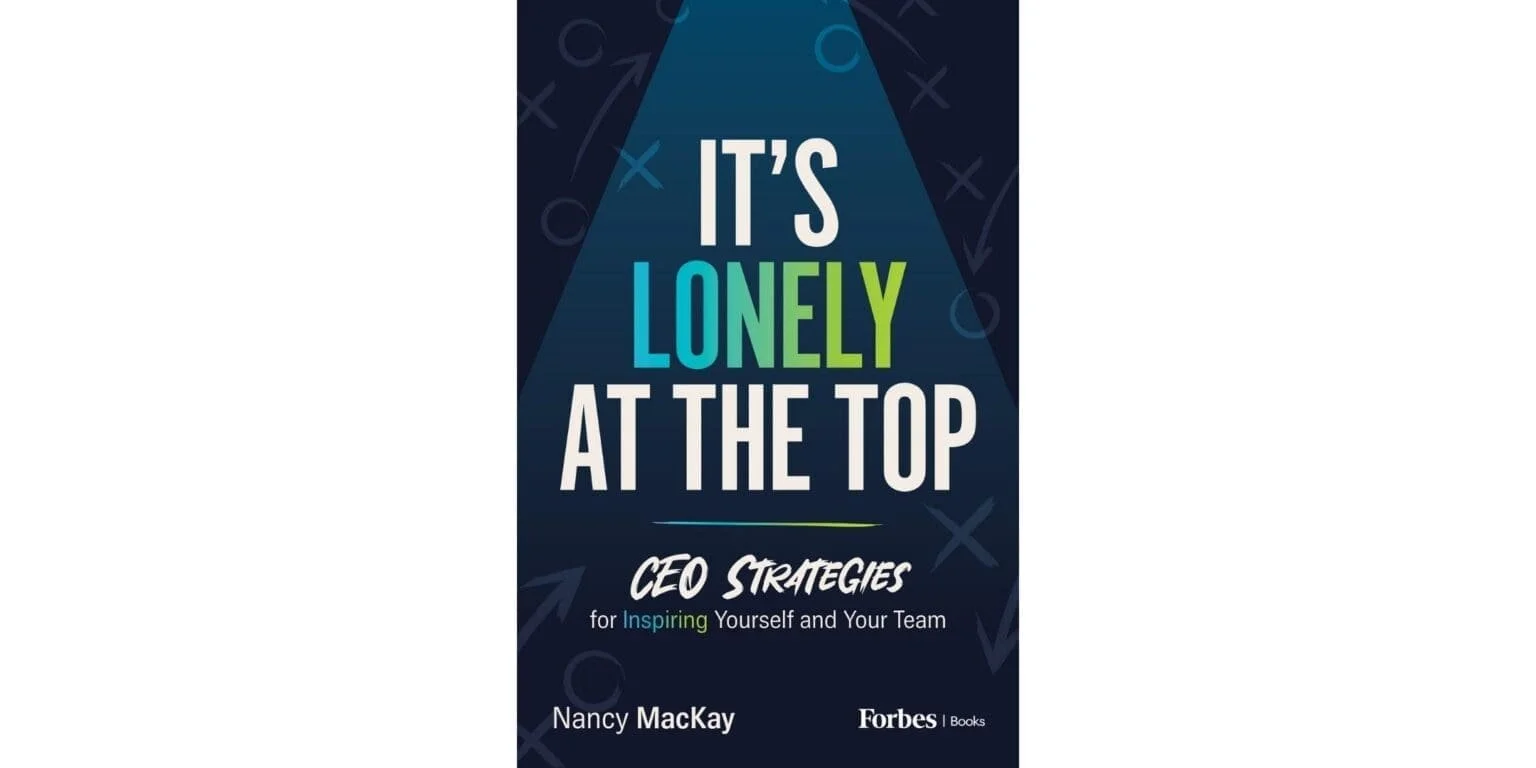
I love the book. The book I'm talking about is It's Lonely at the Top: CEO Strategies for Inspiring Yourself and Your Team. You're going to want to pick up this book. You don't need to be a CEO to get value from this book, as we're going to talk about in the episode here. First and foremost, maybe give us a reasonably short story, but not too short. How did you get to where you are professionally? What was that journey that led you to become the CEO of MacKay CEO Forums?
Thank you for your kind words about the book.
It's great.
I’m quite excited about it. I'm very passionate about helping CEOs. It's heartbreaking to know that so many CEOs are feeling lonely at the top. It doesn't have to be. I'm the Founder and CEO of Mackay CEO Forums. I started the company because I could see that it was lonely at the top. If you surround yourself with successful peers, it's a whole other way to live your life.
It's heartbreaking to know that so many CEOs are feeling lonely at the top, and it doesn't have to be.
How I got here, as an answer to your question, is that there are three chapters of my career. My first chapter was when I was a professor. I taught executive MBA students for many years. I taught leadership, IT strategy, and various topics. I loved teaching and helping CEOs and executives in the audience, and then I realized I wanted to start working directly with CEOs and executives to have an even bigger impact. That's when the second chapter of my career started as a consultant.
I did a lot of work with global companies. I spent some time at Ernst & Young, which was the best career decision I made. You heard me tell the story. I met the love of my life, Robert, who is my husband of nearly 30 years and my business partner. We worked together at Ernst & Young. Chapter three is my entrepreneurial journey. That's where our kids were going off to grade school. I said, “Rob, it's time for us to quit our jobs and become entrepreneurs.”
After 90 days of panic attacks, what have we done with two little kids and a big mortgage? We got through that phase with a lot of support from mentors, coaches, and lots of people who helped. Since then, we've been very passionate about populating the world with inspiring leaders and helping especially Canadian CEOs. That's our main focus. Canadian CEOs and executives.
Having them get access to other successful CEOs to help them solve their toughest problems and maximize their best opportunities. We've had over 5,000 Canadian CEOs and executives participate. We continue to focus on what we can continue to do to raise awareness that it doesn't have to be lonely at the top and support the Canadian business community.
First of all, thank you. What a great story. I did my MBA in an executive format, too. I can see why you would have loved being a professor because that was fun. It was challenging to do an executive MBA, but it was so much fun. What a great start to a foundation for what you've done. I love the way the book is structured. For every topic that we get into, there's this concept that's shared. There is evidence and facts that back it up, daily success habits, and then an end-of-chapter check-in. In addition to being some great information for all of us out there, it's also a great read. It's an interesting read.
The first thing that hit me is you talked about heartbreaking things in terms of what's going on with some CEOs. You reference a Deloitte study that said 70% of C-suite executives have seriously considered quitting their job for one that better supports their wellbeing. Two paragraphs earlier, you talked about this leadership quarterly note that leadership loneliness is unique and different from general loneliness. How unique and strange. Why is it? Let's start there. Why is it so lonely at the top? Why are they going through all of these challenges with loneliness? What causes that loneliness?
Why It’s Lonely At The Top: Leadership Loneliness
It's quite interesting that as a CEO, I'm spending all day long talking to people and being with people. It's not like I'm not having human connections. It's that for CEOs, there are challenges and opportunities where we can't talk to our boards, our top team, and our significant other or spouse. It's pretty hard to be inspired every day to jump out of bed in the morning and make a big impact when we're feeling lonely and isolated. The key is that we make bad decisions and a lot of mistakes when we're leading alone.
A lot of CEOs will reach out to their buddies or whoever it is. At the same time, we live in this exponential change world. Having a ready-made group of fourteen peers, non-competitors, to help you solve those problems is so much more time-effective than reaching out and trying to find somebody that might be able to help you. You can access ready-made peer groups, whether it's with MacKay or any peer group organization. Surround yourself with a group of peers. You're going to save a lot of time. You're going to be a lot more successful.
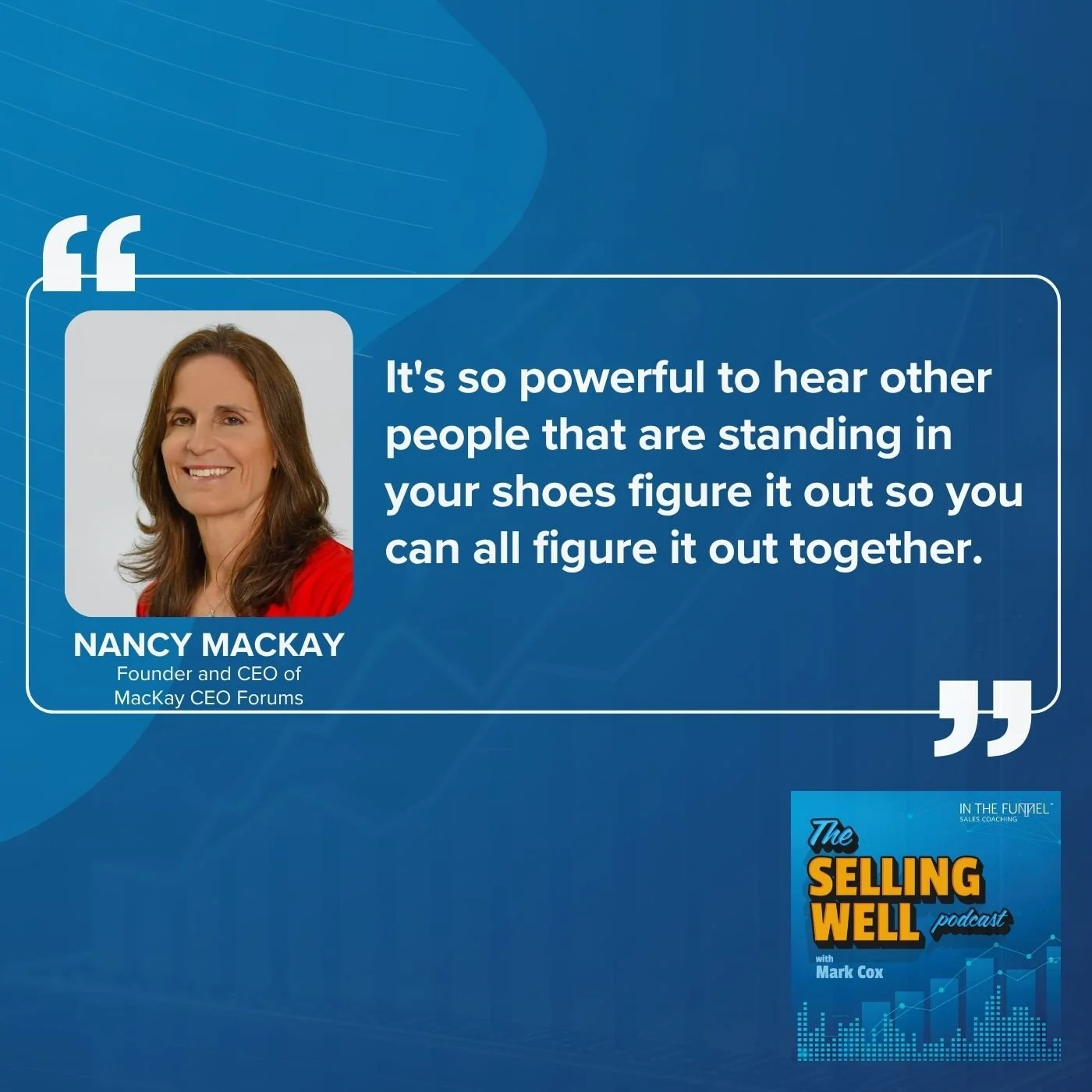
For me, ever since I started MacKay CEO Forums years ago, I'm very passionate about helping CEOs with their careers, and I don't want them to sacrifice their health and their important personal and family relationships. When you sit around and hear other CEOs talking about, “I work out every day or I've been able to figure out how to set boundaries, so I can have date night with my wife or I'm able to find ways to keep up my hobbies,” and what have you. It's so powerful to hear other people that are walking in your shoes figuring it out so you can all figure it out together.
We're going to get into the different areas of mastery in the MacKay Mastery Model. It's so critically important. It's so logical the way you've laid these things out. Hearing it and reading it sometimes is such a good refresher and reminder to us all. I had this conversation coincidentally with someone over lunch. A person tuning in to the show will remember this.
They were a very senior C-Suite executive. They said that after going to Medcan and getting some news about something, they had this epiphany that said, “I have to take care of myself first.” Medcan, for American readers, is concierge health. It's where we go for more significant concierge health. The whole idea here is it doesn't have to get to that. Whether it's a physical challenge, a mental health challenge, or anything, there are ways of setting these boundaries. There are ways of building that model.
I love the way you came up with this structure, the mastery model, during some of the toughest times for all of us. During COVID, you started to take a look inside and say what was providing you with inner strength, fortitude, and energy. The elements of the mastery model are the chapters of the book. We talk about time mastery, ego mastery, and proactive health. We talked about that mastery. We talk about relationship mastery, passion mastery, innovation, 100% responsibility mastery, shared experience mastery, and then social contribution mastery.
I love the way it's laid out because each chapter is such a clean read. I've been reading this over the last week. I mentioned to Nancy that I used one of the habits, which was very helpful in a situation, talking about relationship mastery. I put myself in a better frame of mind because I remembered I loved not the behavior, but that the person was very helpful.
In this episode, we're not going to go through every chapter in detail because we've got time constraints. You're going to do that when you click on the link and buy the book. You'll be glad you did. You can send me the notes and tell me that. I'm going to pick a couple that were favorites for me to talk about, if that's okay.
We start the whole book by saying, “You go first.” The quote I liked you put in was, “CEOs who truly excel find deep fulfillment while delivering exceptional results. They all share one critical trait they've mastered. The ability to inspire themselves first before attempting to inspire others lies at the heart of everything.” Let's talk about that. Why is it so critical that we inspire ourselves so that we want to jump out of bed engaged at 4:00 in the morning before we try to run our companies or sales teams, for that matter?
Inspiring Yourself First: The Mastery Framework
I'm glad you used Medcan as an example because they're one of our national partners. They support all of our members across Canada to make health their number one priority. I'm often quoted as saying, “Dead CEOs don't meet their targets,” because twenty years of listening to CEOs in their peer group meetings, not getting their annual health checks, and not doing preventive assessments is heartbreaking. They are so talented, and yet, they don't take care of themselves first. That is a fundamental philosophy that I have in leadership.
I have spent twenty years helping people become more effective leaders through peer support when I was a professor, consultant, and what have you. I came to this conclusion, especially during COVID, that it all starts with me. If I can't figure out how to inspire myself every day so that I can show up as the best version of myself, not just at work, but even more importantly, our kids are more important to me than anyone else, I want to be doing everything I can every single day.
I'm showing up as an inspired human being and making the biggest contribution to the people around me in all aspects of my life. That takes a lot of work. It's not a simple thing to figure out. All the different ten chapters of the book, like passion mastery, emotional mastery, and all these things that you mentioned, are a daily journey of blocking the time so I have time for me.
I make sure I work out every day. I make sure I do my mental fitness. I make sure I spend time with my husband and my kids. There are all these sorts of things every day, every week, every month, and what have you. All of that is part of how I feel like I'm living a dream life. I'm not trying to be Pollyanna. There are lots of bumps in all aspects of my life. When I start by saying, “I need to figure out how I can show up every day as the best version of myself.” It’s a full stop. I don't spend my days going, “How am I going to inspire everybody else?” I don't know what's going to inspire you.
I'm glad you said the book is not just for CEOs. That's the main target because that's been my world for twenty years. I want that toolkit for everyone because then they can figure out how to inspire themselves and take that 100% responsibility and accountability. You're not waiting around for the boss or somebody else. It's a very fundamental principle of leadership. Focus on yourself, and you can be an exemplar for others to then learn and grow. We're all on the journey together is the way I see it.
Leadership is just focus on yourself and you can be an exemplar for others to then learn and grow.
That is so well said. You're right. I was reading the book, and it touched everything for me. At heart, I'm a sales leader. I know I run a company, I'm an entrepreneur, and all those kinds of things, but if you look at my passport, it says sales leader. I thought about the first early days of being a sales leader, and I was so confused by the role. It was a very difficult time for me. I was not good at it when I started doing this many years ago, running large sales teams.
At one point in time, I remember having a conversation with somebody on the team who was a good performer. I almost dropped this thing, saying, “If this keeps up, hopefully, we could see about getting you promoted. You could step into my role. At some point in time, you can run other people.” He said, “That's the last thing I'd ever want to do.”
I said, “You seem so ambitious. Why wouldn't you do it?” He shared and said, “It’s because you're so unhappy. You make it look so awful.” What a wake-up call. He was right. I was unhappy. I didn't have these strategies. I saw the team as tools for me to hit my bigger goal. I didn't understand the job was about elevating them. It was such a great piece of direct feedback that was so helpful to me back then. We're different now.
During the Proactive Health Mastery, you can talk about the fitness regimen Nancy has. She's at the caliber of a semi-pro athlete. Peloton five times a day, Zumba, and weight training remotely. I got tired of reading it. For me, I've got a good fitness regimen. I prioritize working out because of mental fitness. The better I feel physically, the better everything else works.
If it's okay with you, let's jump into a couple of chapters. I'll be selfish here. These are the ones that either resonated with me or are going to be resonating with everybody who tunes in to our show, not just CEOs, but sales leaders, salespeople, and lots of different business professionals. Chapter three is Ego. A couple of things resonated with me.
First of all, I talked about these models and methodologies. The House of Ego is becoming aware of the negative state and the use of thousands of thoughts. This House of Ego is built on looking good. Who hasn't been there? Our brains are wired that we want to look good. We don't want to look silly or look exposed. Playing the blame game, judging from a high horse, being defensive, and being right. Tell me a little bit about that. First, we'll talk about the House of Ego, and then what do we do about it to get back to the house of leadership?
Mastering Ego: From Negative States To Leadership
The House of Ego is such a great way to help people build awareness. Generally speaking, when someone is in a negative emotional state, they're angry, frustrated, annoyed, stressed out, and freaked out. They feel all the negative emotions. Guaranteed, your ego is going to be very loud. A number one tip I give people on how to learn how to park your ego is when you're in a negative emotional state, do not talk to another human being. Do not pick up the phone. Do not send an email and copy everyone you know. I call it crazy talk. We say things that we would never say if we were in the House of Leadership, which is showing up as the best version of ourselves.
When someone is in a negative emotional state—angry, frustrated, stressed out—your ego is going to be very loud.
This ego gets in the way of relationships, wastes a lot of time, and causes a lot of huge mistakes to be made when people are in ego talk. You have to become self-aware. If you're in a negative emotional state, you want to take a deep breath, and you want to get yourself into a positive emotional state before you interact with other human beings. That's a fundamental leadership principle.
Most people are not self-aware that they're in a negative emotional state. They're showing up in the House of Ego 80% of the time. The number one thing is I want people to become aware. We're all human. I get into ego talk, too. My husband and kids will tell you that I'm not perfect. I keep getting better, to your point. It's a lifelong journey to master each one of these areas of leadership and self-leadership.
Become aware that you're in a negative emotional state. Don't point the finger at the people. Point the finger at yourself. How do you get yourself into a positive state? The number one way to do that is to focus on success, winning, and what you want. It's impossible to be in a negative state and have ego talk when you're getting yourself into, “What does success look like? What is it I want? What does winning look like?” That's the opposite. That's the House of Leadership, when you get yourself into a positive state. There's a lot more to it, but that's the principle of how you learn how to park your ego.
The most important thing is when someone else shows up, and they're sending you a nasty email, like, “How dare you do this?” or they get defensive, or they play a blame game, or they're making you wrong, most people fall into that trap of, “Now I have to get back.” Then, two egos are talking to each other. Nothing good can come from that.
When you see someone else in their ego talk or in a negative emotional state, the number one thing you want to do is have compassion and realize that this person is in a negative emotional state, and they're saying things that they're going to regret. Instead of making them wrong and getting into it, you want to say, “I'm so sorry to hear that you're upset or angry. I've got some tools in there.” Mirror back, validate what they said, and have empathy. That's the very fundamental leadership toolkit of how you park your ego and not judge other people when they're in a negative ego state. The world would be a much better place if every single human being on the planet could learn that chapter of Ego Mastery.
When you see someone else in their ego talk, the number one thing you want to do is have compassion and realize they're just having a negative reaction.
We'll double-click on that. I love that thought. It’s not just about managing our own emotional state. The book is pretty clear that nobody is going to be in the perfect emotional state 100% of the time. Let's play with the 80 rule. Eight out of ten times, 80% of the time, being in the right emotional state. I love how you say we've got to take ownership and accountability for that, and then identify when a trigger is coming.
For me, there are things even in a business setting that I find as triggers. I've been open. We've talked about this on the show. Those are things like a lack of accountability or complacency. We're not a large corporation, but working with large corporations, you're going to come across some people who are not just disengaged, but they're actively disengaged. We’ll get into the Deloitte research later on.
Those things are triggers for me. I recognize that coming, and I go, “Don't respond.” I've got the lizard brain that everybody else has, so everything in me is screaming, “You're right. Address this a certain way.” It never works that well. It's never the right thing to do. We'll double-click on MV and CVA when you're in the House of Leadership. MVA means Mirror, Validate, and Empathize. CVA means show you Care, be Vulnerable, and be Assertive. These are ways we show up in our best selves. These are all elements of the House of Leadership. The roof is to give others credit.
This is one of the things I love so much about the book. I find that there are these universal wisdoms that you’ve captured from multiple different sources and developed yourself. You did the old Mark Twain thing. The Mark Twain quote is, “I wrote you a long letter. If I had taken more time, I would have written you the short letter.” You took the time to write the short letter so people like me can process it. You can capture it and apply it in those daily habits to get a little better.
You talked about that emotional state. I found one of the things I found most interesting. You are a Time Mastery expert. You and Nico Human wrote another book, which is I Don’t Have Time. It’s a bestselling book. It is also a great, quick read. You want to pick that one up. When I read chapter two, Time Mastery, I was thinking we're going to get into schedules and being tight. There was nothing about that. It was so great where it said, “We take this up a level.”
Let's talk about the gaps or the problems that a CEO gets in trouble with. Where do they get in trouble in terms of their Time Mastery? Number one, the 724 mistake, which is, “I've got to work all day, every day, and every night. I've got to be exhausted to get the work done.” Number two, the do-it-yourself syndrome. It’s like, “I've got to do everything. Nobody can do it as well as me. I'm great at everything.”
It is tied to this third one, which is making poor decisions in a bad emotional state. The amount of time you waste because you're trying to fix something. You have to go back again. Tell us a little bit about other strategies on the Time Mastery front. You also touched on a cool happiness formula, which is pretty important for people to know.
Time Mastery And Breaking The 24/7 Mindset
This is why Nico and I wrote the book called I Don't Have Time. It is because we consistently hear CEOs saying, “I don't have time to do my annual health check. I don't have time to spend with my wife or my kids.” That's a mindset. Time Mastery, in my view, is a mindset that you have 100 waking hours a week if you get the recommended 7 to 8 hours of sleep a night. We all have time. We have 100-plus waking hours a week.
Time mastery is a mindset. We have 100 plus waking hours a week, and time mastery is really about taking the time to think about how much time I need to take care of me.
Time Mastery is about taking the time to think, “How much time do I need every day to take care of me, my health, my fitness, and my me time?” Whatever it is, and blocking that in the calendar. “How much time do I need with my spouse doing date nights? How much time do I need with my kids and any other commitments? How much time do I need to have some free time and hobbies?” Get the vacation time and block it in the calendar. That's the most important of the 100 waking hours.
Whatever time you have remaining, you can do this thing called work. What most CEOs do is they do this thing called work, and they fall into the 24/7 trap because they feel it's the only way to be a successful CEO. They’re like, “I have to work. I'll then stuff in time with my wife or my kids if I can or take care of my health.” The mindset shift is that you go first. Block the time you need to be the best version of yourself. That's not a selfish thing to do. It's a necessary thing to do to get rid of the burnout that we see happening in spades.
It's historic levels of CEO burnout, so much that we have the highest level of CEO resignations. We have CEOs who are done. They're exhausted, burnt out, and overwhelmed. They don’t want to do this AI thing. It's heartbreaking for me because I know that. Figure out that you have 100 waking hours. You're human. You don't have to work 24/7 to be successful. In fact, you'll be more successful if you take care of yourself.
You'd see so much more of it. You've worked with 5,000 CEOs. To me, even as an entrepreneur, that was the hardest concept to get through my head years ago. You have to step away, and when you step away, you'll be better. After years of putting it in, it's so clear to me now. It's so clear to me that my brain will work far better at certain times of the day, for sure.
I like some of Daniel Pink's stuff. I'm way better in the morning. I do stuff where I don't have to be sharp in the afternoon, typically. I've got to step away. When I come back, I have more to give everybody. Not just my team, but our clients want that, too. They're paying for the best version of our team. We've all got to be rested, relaxed, and recharged.
CEO Leadership Strategies: The number one way to get into a positive state is to focus on success, winning, and what you really want.
It's tied to the do-it-yourself. I was coaching a CEO, and he wanted to take some vacation time. He was like, “I can't because there's too much going on.” I'm like, “That's exactly why you need to be taking the time.” The do-it-yourself is, “I'm the only one that can keep the sense of urgency, the momentum, and everything going on. If I take time away, then the whole thing's going to break down.” I'm like, “That's tied to ego. If you're running a company with all these people, this is a pretty significant business. The thing is going to go down because you two take two weeks off? That is not reality.”
We get sucked into the busyness. Oftentimes, it takes someone to hold the mirror to go, “Block the time. Let people know you're not available.” I've said that probably thousands of times to CEOs. I’m like, “Block the time off. The world's not going to end. Other people are going to step up. You're building future leaders. There are about a million reasons why. You have to let go of the do-it-yourself and realize it's about building future leaders and enabling people to step up.” We get in the trap of the do-it-yourself and the 24/7. It causes a lot of burnout. It's a problem.
My experience with some entrepreneurs and some CEOs is that I find they're very good coaches for other people, but it's tough when they're looking in the mirror. We jot some things down on paper, and I say, “If we were talking about somebody else's business that you're not so emotionally connected to, what would you think they should do?” Suddenly, there's a bit of that distance.
These are folks who, I'm assuming, are the same thing as people who run sales organizations, are super confident and super deep in their industry. They've been doing it for years. They have a lot of things that showcase that the way they do things has made them successful. Whatever habits and approaches where they were burning themselves out worked because they became the CEO. Sometimes, breaking those habits is a little bit tricky. I played with that in my own head for a long time when I was running sales organizations. People would say, “You work too hard,” and I go, “It's working for me. Look at the success of that.
How do you earn their trust so they can take the feedback, process it, and work with you? You've got a model here where that's worked. You've had so many major league CEOs working with MacKay for so long. How is it you get them to come in, and then change behaviors, and you build trust and credibility in the organization with these people in such a short period of time?
I have to be honest that the highest-impact way to get people to change their behaviors is sitting around the table with their peers and hearing their peers talk about, “I was in your shoes, and I burnt out and what have you.” That is the most effective way to get the behavior change. They learn from each other. It's an add because then, as their chair, if I'm working with them, and there's a lot of trust, then I have permission to challenge and say, “You can keep doing it the same way. At the same time, what if there was a better way?”
It's so hard to let go of the past. That's one of the biggest challenges. To your point, if you've been successful doing it the same way, why not keep doing it the same way? There's a moment in time with AI and exponential change that's going on. More CEOs are realizing they can't keep doing it the same way. There's too much information coming at them. They have to set those boundaries. They have to be able to take care of themselves and be very focused and strategic around the big rocks that you need to move based on who you are and the influence that you have.
It makes all the sense in the world to me. It's so logical, that support from the peer group, and also in a third-party organization where you're not going to be judged. Sometimes, when you're in your own corporate organization, they say, “HR is there to support you,” and so on and so forth. Sometimes, that's true, but it's not always, so you can't be as vulnerable.
If you're running something major and reporting into a global CEO, you can't go into that meeting and be vulnerable. You're going into that meeting to show that global CEO that you've got things under control, and you're going to hit your goals and objectives. It's nice to have somewhere else to go to say, “These are the things that are tasking me right now or challenging me. I need some help. It feels like a safe space to do it.”
I will reinforce those of you who have been in our workshops. Sometimes, they're private custom workshops for large companies. Frequently, they're public workshops with 3 people from this company and 4 people from that company. We've got a room of 60 people made up of 12 or 15 different companies. The feedback is always that the best learning comes from hearing what somebody else is doing. Different industries with completely different products don't matter. It's the same thing as saying, “I'm interested in seeing what everybody else is doing.”
Given the time, let's talk about one more chapter. Folks, you can already hear the value you're going to get from reading this book. This one's a powerful book. I'm a little old-school, as everybody knows. I love a printed copy of a book. I love a hard copy. I'm going to keep coming back to it. My books are all dog-eared. I always remember there was a piece of research in a book. This is why I have a small number of 100 to 150 books on my bookshelf. They're never going to leave. This is one of them. It's fantastic and beautifully written.
Chapter six is Relationship Mastery. Here's one thing. I got it by the end of the book. I'm an emotional person. I'm a caring and loving person. Friends, family, and even clients would identify me as being warm. Don't chat and contradict me for this, people, but they'd say I'm warm. We reference love quite a bit in this book. Tell me a little bit about the definition of business love.
Relationship Mastery: The Power Of Business Love
You're masterful at showing love.
Thanks.
The work that you've done with me personally and MacKay CEO Forums. You're helping us with our sales playbook. The whole idea of showing love is all about love to every human being. You don't have to love their behaviors. I honestly go through life that it doesn't matter who I'm interacting with. I love every single human being, especially if I'm going to walk into a difficult, challenging conversation.
Someone's upset that they didn't get the promotion, or someone's upset that they're in a conflict with someone else. I get myself into a positive state, and then I remind myself that I love every human being. It doesn't matter how they show up in their behaviors. That helps me. It's that 5:1 ratio of positive and negative. You have to keep the emotional bank account full. It doesn't matter.
It's Lonely at the Top: CEO Strategies for Inspiring Yourself and Your Team
I've had people yell, scream, swear at me, and all of that over twenty years of coaching CEOs. I don't take it personally. When someone's in a negative emotional state, it's crazy talk. Why would I take that personally? I feel like, “How do I help them get into a positive state being a caring, vulnerable, and assertive human being?” I’m like, “You're important to me. I understand that you're upset.”
It is using all of that so I can get them in a positive state. I know if I can help people get into a positive state either with me or with each other, then we can problem-solve together. It’s noise when people are saying negative things. Many people take it personally, hold grudges, and write people off. It's not the way to show up.
What a great mental framework for you walking into that meeting. We had a guest on the show, a guy named Dr. Nick Morgan. My memory may not be perfect on this, but he was a coach to professors at Harvard. The long and short of it was he'd had a brain injury as a child where he was in a coma for a very long period of time. He was about 17 or 18. He came out of it, and for a year, he couldn't relate to people. Although he could think and speak properly, he couldn't make human connections. When he came back to normal, he decided to spend the rest of his life on brain science and understanding what was taking place.
I'll get the numbers wrong, but the idea was that when we're interacting with somebody else, there are some conscious triggers that we're going to pick up on. Nancy's smiling at me. I can see her eyes. She's nodding every once in a while, when we're talking. She's got positive body language. There are conscious triggers.
I can say, “Nancy is engaged in this. This is going well.” There are 1000X subconscious triggers where Dr. Nick Morgan definitively said, “People can sense your intent.” It’s so important for interactions with folks when you go in with that mindset. Even if you are having a tough time, people can sense your intent.
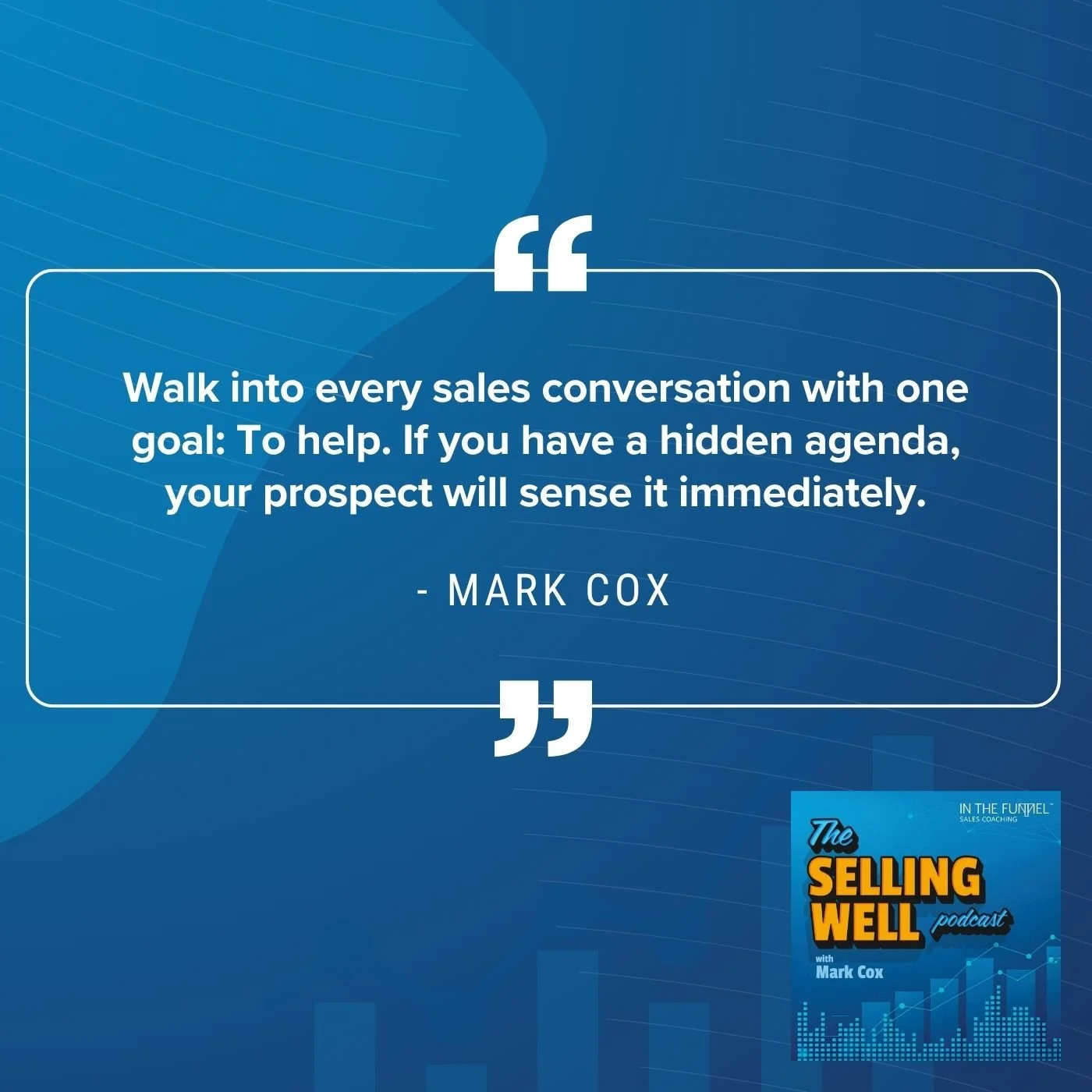
For us, in the world of selling, we're always coaching people and saying, “Walk in and try to help somebody. Forget about selling. Forget about building pipelines. If you're a sales leader or CEO, and you're walking into a meeting with a peer or a direct report, figure out how to help them. Your job is to elevate performance. If you go in with some other sort of intent in your back pocket, people can sense it.” I love that mental framework. It also makes you more resilient walking into those meetings that could otherwise be quite uncomfortable.
Resilience And Closing Thoughts
I'm not perfect. Sometimes, I do get defensive. I stop and say to myself, “Did I get enough sleep last night? Did I get my workout in? What got in the way of my ability to show that I am a caring, vulnerable, and assertive human being?” Business is about people. Life is about people. It's worth it to learn how to master relationships. You don't have to be that person that's spreading the negativity virus. You can be that person to lift other people up, especially when they're being challenged and either in their ego talk or in a negative emotional state.
How beautifully said. We'll talk again, for sure. Team, we've been talking about It's Lonely at the Top: CEO Strategies for Inspiring Yourself and Your Team. There's nobody out there who is tuning in to our show that shouldn't pick up this book. You're going to get value, insight, and knowledge. Also, Nancy is growth-oriented. There are so many other great authors, some of our old pals that we always loved. I hadn't heard Tony Robbins referenced in a book for a long time. I loved Tony Robbins. I loved that stuff back in the day. It's still relevant. For the people tuning in, they want to learn more about you and MacKay CEO Forums. What's the best way of learning more about what you do?
The best way is our website. They can visit anytime at MacKayCEOForums.com.
Thank you so much for joining me. What a great conversation.
Thank you for inviting me and for all the great work that you're doing. I am excited to be able to introduce you to our MacKay CEO Forums community because of the impact you have on companies, especially at a time here in Canada where we need to help Canadian CEOs win, grow, and have the right sales talent pool and sales playbooks to be able to grow their businesses. I am so grateful for our time together. Thank you for your contribution.
It has been a real pleasure and a privilege working with you. That's going to continue. Thank you. Team, thank you for tuning in to the show. We run this show and talk about coaching, leadership, mindset, and B2B sales to overall improve the performance and professionalism of B2B sales. We believe in doing that, we're improving the lives of everybody in sales.
Thanks so much for tuning in to the show. If you liked this episode, please like it and share it because that's how we get great guests like Nancy. If there are things we could be doing on the show to make it even more valuable to you, we're growth-oriented. We love constructive criticism. You can send me an email at MarkCox@InTheFunnel.com.Let us know what we can do to make this even more valuable to you. That's my personal email. I respond to every piece of constructive criticism. Please be direct. We love it. In the meantime, I'll catch you on the next episode.
Important Links
About Nancy MacKay
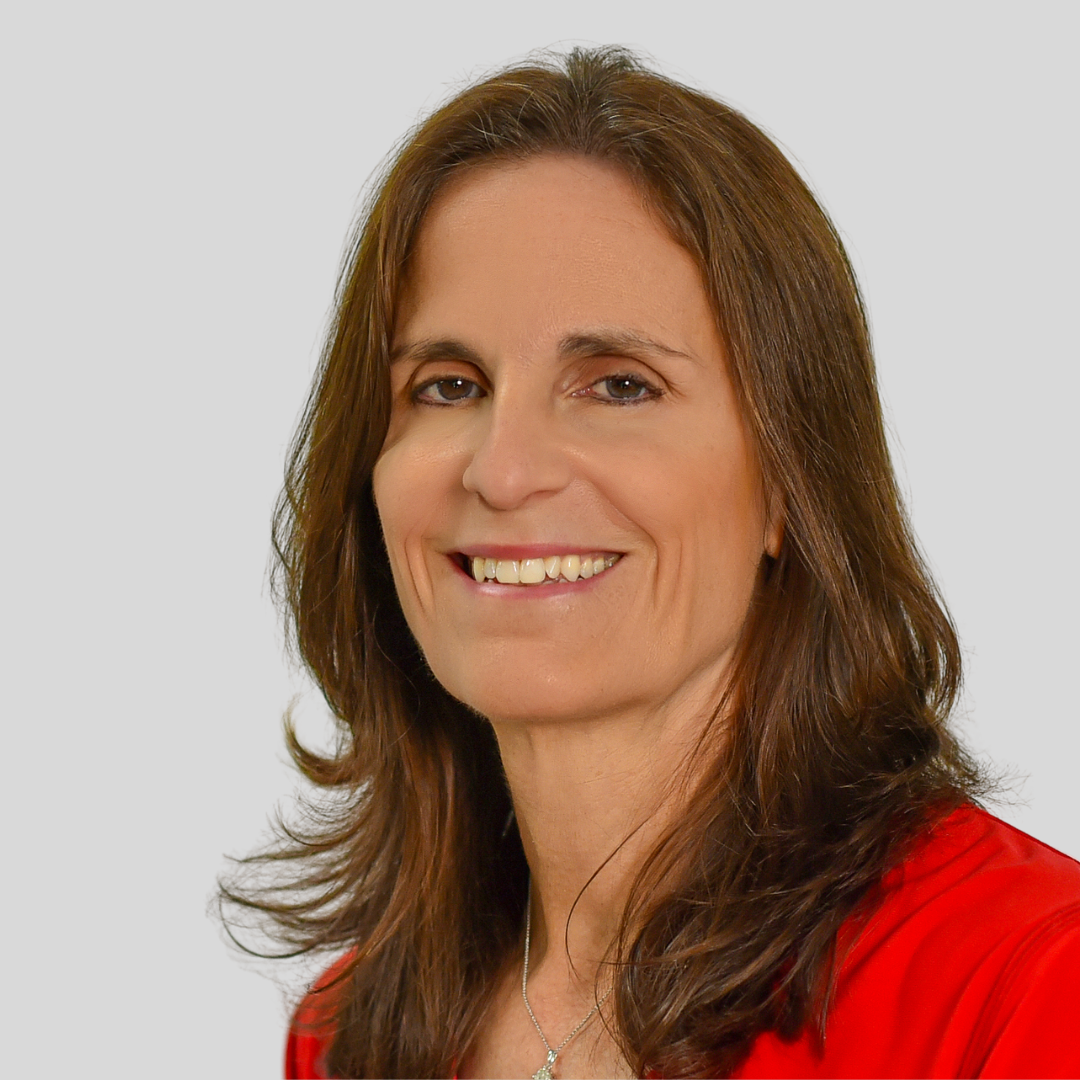
Nancy MacKay, PhD is the Founder and CEO of MacKay CEO Forums, a Certified B Corp driven by her mission to populate the world with inspiring leaders. Since founding the organization in 2005, Nancy has supported CEOs, executives, and business owners through confidential, high-impact, and time-efficient peer learning, building a community of more than 1,300 leaders across Canada. Today, MacKay CEO Forums is facilitated by 60+ Forum Chairs and delivers an independently measured ROI of 708%.
A seasoned CEO coach, keynote speaker, former university professor, and best-selling author, Nancy is known for translating the real pressures of leadership into practical strategies that drive clarity, performance, and resilience.
She is the co-author of I Don’t Have Time with Nico Human and has co-written The Modern Trusted Advisor and The Talent Advantage with Alan Weiss. Her forthcoming book with Forbes, It’s Lonely at the Top, explores how leaders inspire themselves and others while navigating the isolation of senior leadership. She also hosts the podcast It’s Lonely at the Top, featuring candid conversations with CEOs about the realities of leadership.
Nancy serves on the boards of the GenWell Project and the Rick Hansen Foundation Campaign Cabinet and co-chairs the Vancouver Committee for Canada’s Great Kitchen Party.